Why Fact Checking Matters
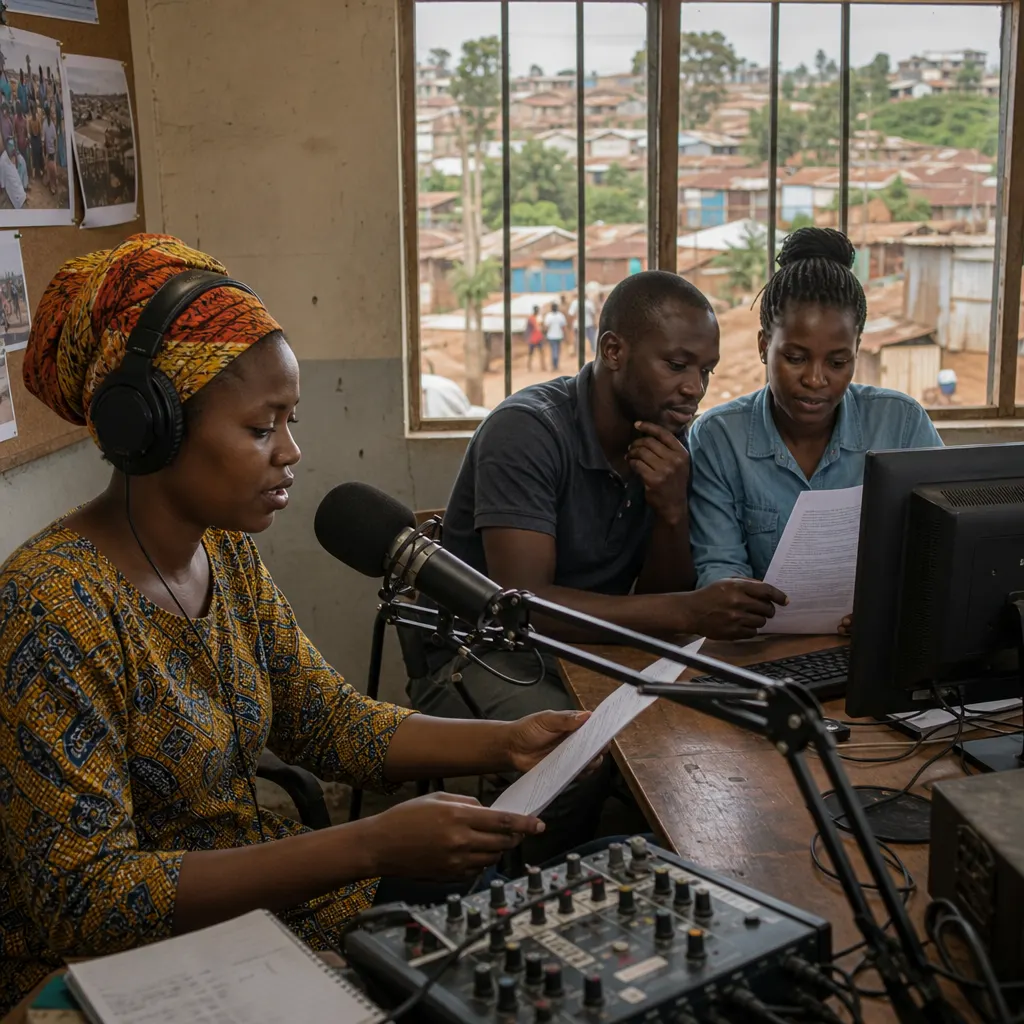
Radio is an important source of information in informal settlements. Some residents have limited access to television, newspapers, or the internet. A report heard on air may travel quickly through homes, workplaces, markets, and social groups.
This reach brings responsibility. An incorrect report about illness can put health at risk. A false security warning can cause panic. An unproven claim about a person can damage a reputation. Political misinformation can increase tension between neighbours.
Fact checking does not mean distrusting every speaker. It means asking for enough evidence before treating a statement as true. This habit supports peace. It also gives community members a fair chance to explain their actions. For another perspective, see Listen to Our Podcasts.
- Check claims that could affect public safety.
- Confirm allegations about named people or groups.
- Review numbers, dates, locations, and quotations.
- Treat urgent messages with extra care.
- Correct mistakes in clear and direct language.
A Simple Checking Process
Start by identifying the exact claim. A broad statement can be hard to test. Write down what happened, where it happened, and when it happened. Note who first shared the information.
Next, look for direct evidence. This may include an official notice, a public record, an eyewitness account, or a full recording. One source may be mistaken. Two independent sources provide a stronger basis for a report.
Contact the person or organisation named in the claim when possible. Give them a reasonable chance to respond. Their answer is part of the evidence. It does not automatically settle the issue.
- State the claim in one clear sentence.
- Find the earliest available source.
- Check the date and original context.
- Seek evidence from independent sources.
- Ask the affected person or organisation for a response.
- Decide whether the claim is true, false, misleading, or still unconfirmed.
- Share only what the evidence supports.
Judge the Source and Evidence
A familiar voice is not proof of accuracy. A message can come from a friend and still be false. A large social media following also does not make a source reliable.
Consider how the source knows the information. An eyewitness may know what happened at one location. A health worker may explain a medical issue. A public office may confirm its own schedule. Each source has limits.
Strong evidence can be checked by other people. Weak evidence often depends on secrecy, pressure, or an unnamed authority.
| Check | Stronger sign | Warning sign |
|---|---|---|
| Source | Named and reachable | Unknown or impossible to identify |
| Evidence | Original document or direct record | Screenshot without context |
| Timing | Current date is confirmed | Old event presented as new |
| Support | Independent sources agree | Many posts repeat one source |
| Language | Specific and measured | Urgent pressure to share |
Check Photos, Audio, and Social Posts
Images can be real but used with a false description. A photo from another country may be presented as a local event. Check for landmarks, signs, clothing, weather, and other visible details. Search for an earlier version of the image when tools are available.
Short audio clips can remove important context. Listen to the full recording before drawing a conclusion. Confirm the speaker, date, and location. Voice imitation tools also make caution necessary.
Screenshots are easy to edit. Look for the original post or statement. Check the account name closely. A copied logo is not proof that an account belongs to an organisation.
- Find the original image, recording, or post.
- Check when it first appeared.
- Compare the caption with visible details.
- Look for missing words before and after a quoted clip.
- Do not rely on a screenshot alone.
What Listeners Can Do
Listeners help protect the community when they pause before forwarding a message. Ask the sender where the information came from. Check whether a trusted local source has reported it. Do not add details that have not been confirmed.
If a claim could lead to harm, avoid spreading it while checks continue. This is important for reports about violence, disease, missing people, or accusations against an individual.
Mistakes can happen in any newsroom or community discussion. A correction should name the error and provide the accurate information. It should reach the same audience where possible. Open correction builds trust and keeps the public record clear.
Pamoja means together. Shared care for facts reflects that idea. Accurate information gives Kibera residents a firmer basis for dialogue, community action, and peaceful decisions. Explore more articles on pamojafm.co.ke.